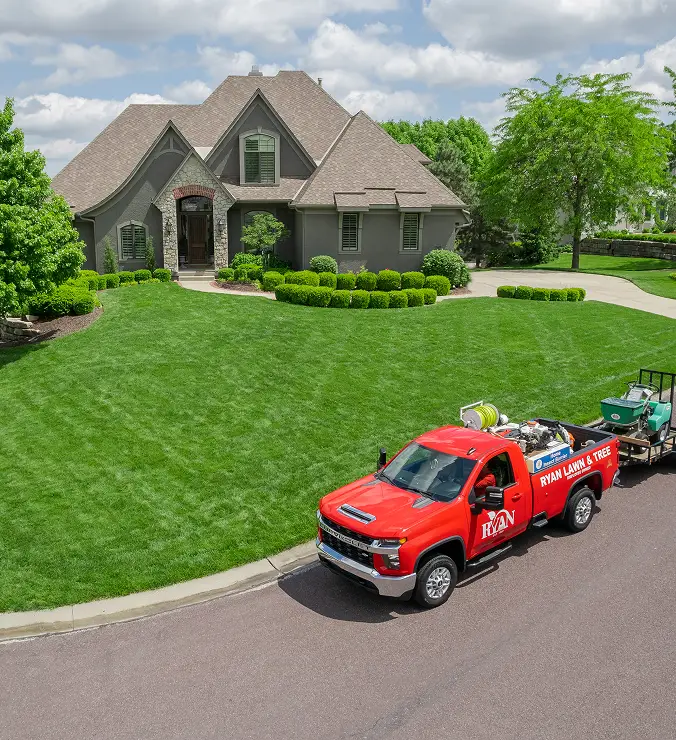
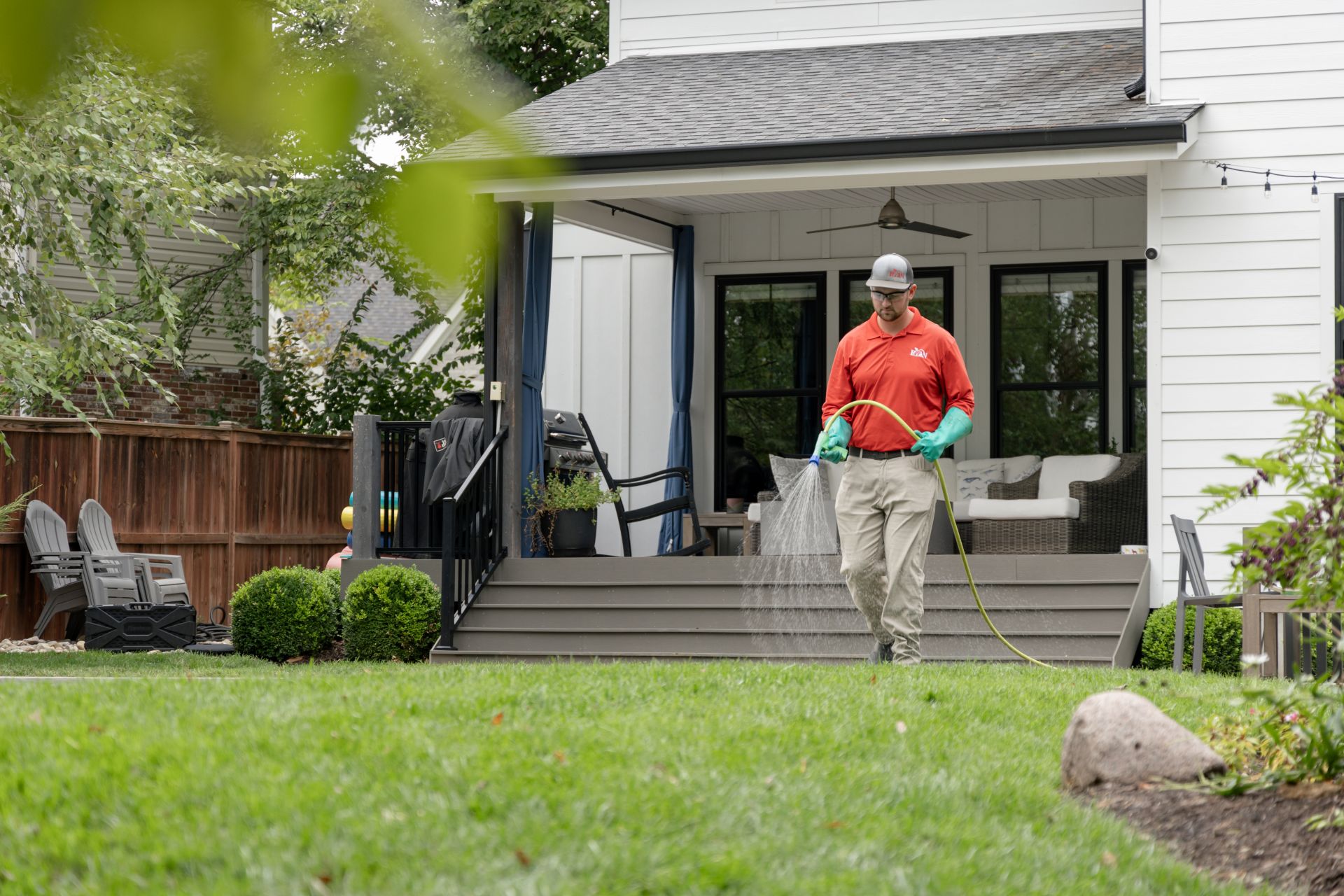
A healthy lawn is often associated with curb appeal and outdoor enjoyment, but its role in pest prevention is just as important. Turf health, soil balance, and moisture control directly influence how attractive a property becomes to unwanted insects. Without consistent lawn treatment, even well-maintained landscapes can quietly support pest activity.
From ants building colonies beneath stressed turf to mosquitoes resting in dense grass, outdoor conditions shape pest pressure. A structured lawn treatment program supports pest prevention by addressing the environmental factors that allow pests to thrive. Below are the key benefits of regular lawn care when it comes to reducing populations of mosquitoes, ants, fleas, ticks, spiders, and termites.
Healthier Turf Creates a Less Inviting Environment
Strong, well-maintained turf acts as a first line of defense against pest intrusion. When grass is dense and properly nourished, it becomes less hospitable to insects seeking shelter or breeding sites.
Regular lawn treatment contributes to pest prevention in several ways:
- balanced fertilization supports thick growth that limits exposed soil where ants may establish colonies
- proper weed management reduces shaded pockets that retain moisture
- consistent soil care improves drainage, reducing damp conditions that attract insects
- aeration and soil conditioning strengthen root systems and minimize stress
Stressed lawns often develop thin patches and moisture imbalances. These vulnerabilities create opportunities for pests to settle. For example, mosquitoes gravitate toward shaded, damp areas, while ants exploit bare or compacted soil to construct nests.
Healthy turf also allows professionals to identify irregularities more easily. Subtle changes in grass color or texture may signal underground activity before it becomes widespread. This early detection enhances both lawn treatment efficiency and long-term pest prevention outcomes.
Moisture Control Reduces Mosquito and Tick Pressure
Water management is one of the most influential factors in outdoor pest activity. Overwatering, poor drainage, and dense landscaping can create microenvironments ideal for mosquitoes and ticks.
A strategic lawn treatment approach addresses moisture control through:
- adjusting irrigation schedules to prevent excess surface water
- improving soil structure to encourage proper absorption
- trimming dense vegetation that traps humidity
- monitoring low spots where water collects after rainfall
Mosquitoes rely on standing water for breeding, and shaded grass can provide resting zones during the day. By improving drainage and airflow, lawn treatment reduces the conditions that support mosquito populations. Practical environmental adjustments are discussed further in this guide on mosquito-proofing tips, which explains how habitat management plays a central role in limiting activity.
Ticks also benefit from damp, shaded turf. When grass remains overly moist, tick survival rates increase. Managing turf density and moisture directly supports pest prevention by limiting tick habitat and reducing exposure risk.
Environmental corrections are most effective when integrated into a structured program rather than addressed occasionally.
Targeted Applications Address Specific Pest Activity
While lawn health and moisture control reduce general pest pressure, certain pests require targeted treatment to maintain control. Professional lawn treatment programs incorporate pest-specific strategies aligned with seasonal trends.
Common pest targets include:
- ants establishing colonies in turf and along foundation edges
- mosquitoes breeding in nearby moisture zones
- fleas and ticks inhabiting grassy areas frequented by pets
- spiders seeking insects near perimeter vegetation
- termites that remain active in soil and structural zones
Targeted applications are designed to disrupt pest lifecycles while maintaining turf vitality. Professionals carefully assess pest behavior before applying materials, ensuring placement is accurate and effective.
Many homeowners also want to understand environmentally responsible methods. This overview of eco-safe approaches explains how modern pest control techniques can balance effectiveness with thoughtful environmental considerations.
By combining lawn treatment with pest-specific control, professionals create a layered strategy that protects both landscape health and household comfort.
Consistent Monitoring Strengthens Long-Term Pest Prevention
One of the most significant benefits of regular lawn treatment is ongoing observation. Pest activity is rarely static. Weather patterns, seasonal shifts, and landscape changes influence pressure throughout the year.
Consistent monitoring provides several advantages:
- early identification of new colonies before they expand
- seasonal adjustments aligned with peak pest periods
- evaluation of turf health to prevent stress-related vulnerabilities
- documentation of recurring patterns for proactive planning
Without routine oversight, pest problems often go unnoticed until they become disruptive. Termites, for instance, can remain active in soil for extended periods, and subtle changes in turf may indicate underlying concerns before visible damage appears.
Professional monitoring transforms lawn treatment from a cosmetic service into a preventive strategy. Each visit builds on prior observations, refining the approach based on real-time conditions rather than guesswork.
Integrated Lawn Treatment Supports Structural Protection
A well-maintained lawn does more than enhance outdoor aesthetics. It contributes to structural protection by reducing pest movement toward the home.
Ants and termites often travel through soil and turf before reaching foundations. Thick, balanced grass reduces exposed soil pathways, while proper grading and drainage prevent water accumulation near structural edges.
Integrated lawn treatment supports pest prevention by aligning turf care with perimeter protection. When lawn care and pest management are coordinated, entry points are addressed before pests migrate indoors.
This approach also limits secondary pest attraction. Spiders follow insect populations, so reducing insects in the yard indirectly reduces spider activity near patios and doorways.
Strengthen Your Lawn, Strengthen Your Defense
For professional lawn treatment that supports lasting pest prevention and protects against mosquitoes, ants, fleas, ticks, spiders, and termites, contact Ryan Lawn & Tree today.