
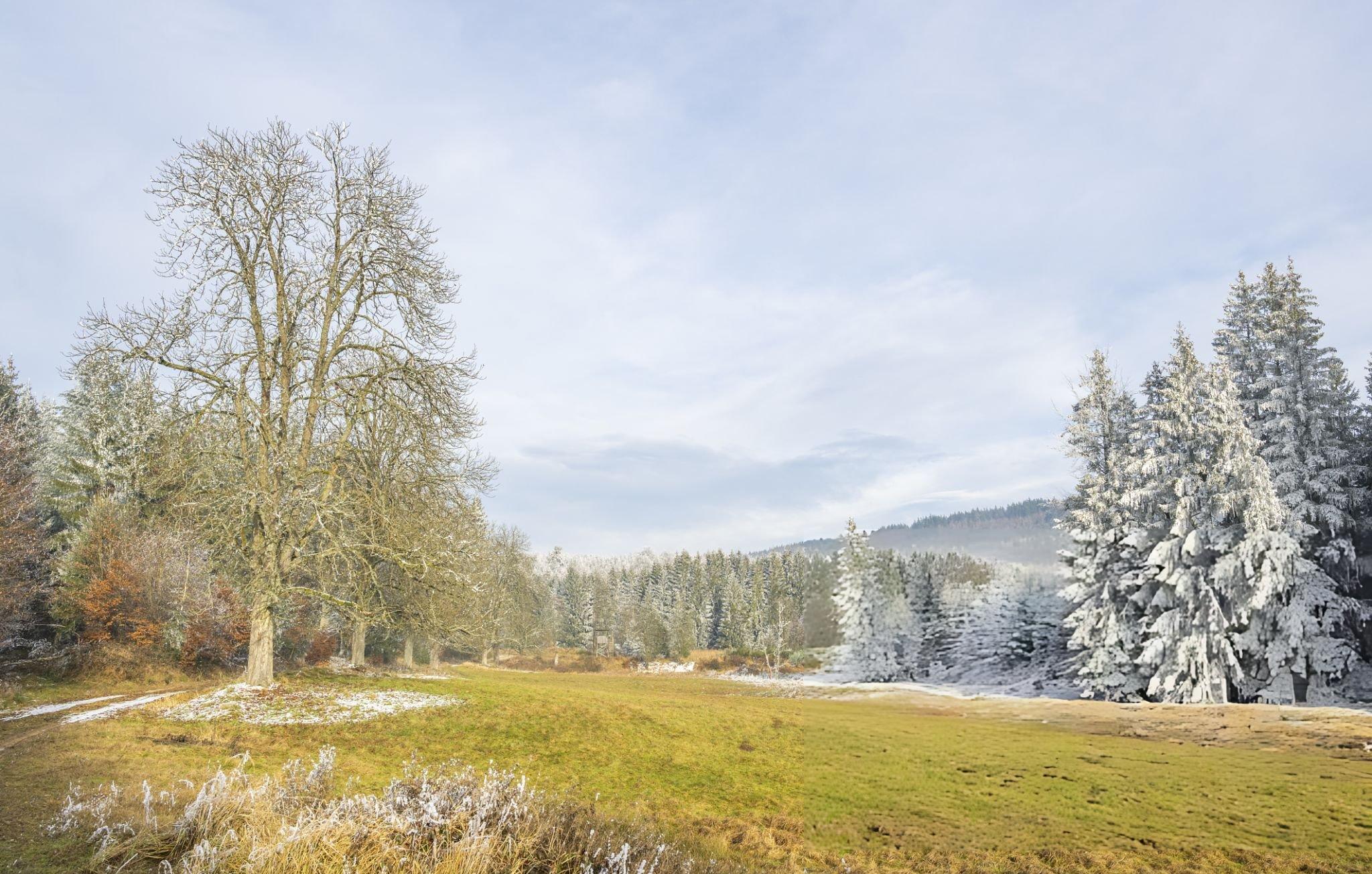
Keeping your lawn green and healthy doesn’t stop when the grass stops growing. As colder months approach, your lawn faces a handful of challenges that don’t appear during summer. One of the biggest threats is winter lawn disease. These issues can quietly take hold beneath snow and freeze-thaw cycles, damaging your lawn before spring even begins. The best way to keep lawn diseases from taking over is by acting early and making a few key changes before the first snowfall.
Understanding how these diseases work and how to safeguard your yard against them makes a big difference. Prepping your lawn the right way during fall can help prevent problems once temperatures drop. With the right strategies in place, your lawn will have a better shot at bouncing back green and healthy when the seasons shift again.
Recognizing Common Winter Lawn Diseases
Winter lawn diseases don’t always show up right away. Many of them develop quietly under snow or in patches of damp grass during long cold spells, and once you spot the damage, it’s often too late to stop it. That’s why it helps to get familiar with what you’re up against.
Here are a few of the most common winter lawn diseases and what they usually look like:
1. Snow mold
This is one of the most common issues people see in early spring. It leaves behind patches of matted, gray or pink grass. It usually forms when snow sits too long on the lawn without fully melting.
2. Brown patch
While it often appears in humid summer weather, some forms hang around through winter. It creates large rings or odd-shaped areas of brown grass, especially in spots with poor drainage.
3. Red thread
This one shows up as thin, red needles or threads on top of dying grass. It thrives in cool, damp weather and often settles in lawns that are worn out or recovering from stress.
These conditions usually develop when the lawn is left with too much moisture trapped near the surface. Leaf piles, dead grass, or thatch that hasn’t been cleared away can become perfect breeding grounds. So while the diseases might show up during or after winter, they often begin developing much earlier, making fall prep even more important.
Effective Prevention Strategies
Most winter lawn diseases can be avoided with some thoughtful fall maintenance. The best time to start prevention is long before the first frost hits, so September and early October are key months to act. Here are a few steps that can help protect your lawn from disease once snow and ice roll in:
– Rake up leaves and yard debris
Leaving leaves, branches, or lawn clippings scattered across the grass blocks airflow and traps moisture. This creates the perfect chance for disease to set in.
– Dethatch the lawn
Thatch is the yellow-brown layer of dead grass that can build up between new grass and the soil. Too much thatch holds moisture and keeps the ground from breathing. Dethatching helps clear this out and lets water drain better.
– Aerate the soil
Aerating your lawn helps improve oxygen flow and lets water move through the soil more easily. It also helps roots grow stronger before winter sets in.
– Adjust your mower height
Cut the grass a little shorter for the final mow of the season. Doing this helps prevent matting under snow and reduces the chances of mold buildup. Just don’t cut it too short. Aim to leave about 2 to 2.5 inches.
These simple steps make a big impact. When your lawn has good airflow, proper drainage, and a solid root system, it’s much less likely to fall victim to winter disease.
Safe Care Practices During Winter
Once winter sets in, you don’t need to do a lot of hands-on lawn work, but there are still a few things to watch for. Cold weather can create harsh conditions that stress your lawn, even if you’ve done solid prep in the fall. It’s the small actions during winter that help maintain the progress you’ve made and prevent new issues from popping up.
The first thing to remember is to reduce foot traffic as much as possible. When grass is frozen, it’s more fragile than it looks. Constant stepping on frozen or snow-covered areas can crush grass blades and damage crowns. This can set back growth in the spring and give fungal diseases an opening. Stick to sidewalks or designated paths when going across the yard.
One simple way to make a big difference is by keeping the yard clean during the colder months. Snow that lands on top of leaves or debris tends to melt slower, trapping moisture that sits longer than it should. Trapped moisture encourages the conditions that fungal problems love. Early winter is a good time to double-check that the yard is cleaned up and free from clumps of leaves or other leftover plant material.
For added protection, consider laying down a light layer of straw or mulch in exposed areas. This can give your lawn a buffer from freezing winds and help prevent soil temperature from dropping too quickly during extreme cold. It also helps regulate moisture so your soil doesn’t become overly saturated.
Drainage matters in winter just as much as it does in other seasons. Snowmelt can pile up in low-lying spots or areas where water can’t exit easily. To reduce the chances of excess moisture collecting, redirect downspouts away from your lawn and avoid piling snow in the same places every time you shovel. Even consistent raking of light snowfall can help with surface airflow, which makes it harder for disease to settle in.
Benefits Of Professional Lawn Care Services
A healthy lawn doesn’t just depend on good timing. It takes experience. When temperatures drop and your yard looks dormant, it can be tricky to know exactly what’s happening underneath. That’s why working with a lawn care expert during the colder months helps catch early signs of trouble and lets you stay ahead of disease before it spreads.
Lawns that deal with repeated issues like snow mold or brown patch usually need more than just a few seasonal changes. Professionals know where to look and how to break patterns based on soil type, slope, yard usage, and microclimates around your home. They also have the tools and training to spot concerns that might be easy to miss, like old thatch layers, poor drainage zones, or signs of previous weather damage.
Hiring a professional service takes the guesswork out of scheduling too. Your yard has a better chance of staying healthy if you follow the right treatment plan at the right time instead of trying to react to problems after they appear. With less guessing, your lawn can stay balanced and better protected as winter moves in.
Some people think lawn care stops when the grass stops growing. But experienced crews know that late fall and early winter steps can sometimes be even more important than what you do during peak growing time. They fine-tune approaches based on changing climate patterns, a history of disease, and specific trouble areas. That insight makes year-round lawn care more reliable and less reactive.
Keep Your Lawn Healthy All Winter Long
Winter lawn care isn’t about doing more. It’s about doing the right things at the right time. With just a bit of attention before and during colder months, you can sidestep common problems that take away from your lawn’s spring comeback. Tasks like raking, aerating, mowing with care, and staying off the grass when it’s frozen all play a role in stopping disease before it has a chance to set in.
Every yard is different, and not all problems will show up the same way. But the best protection is a proactive approach. When professional care and proper timing work together, it takes the pressure off you and sets your lawn up for long-term success no matter how cold it gets. Whether you’re dealing with past issues or hoping to avoid new ones, the key is a plan that starts before the snow falls and continues through winter. That makes all the difference once spring arrives.
If you want to protect your lawn from winter damage and set it up for a strong spring recovery, our team at Ryan Lawn & Tree is here to help. Learn how our quality lawn care services can keep your yard looking healthy and resilient through every season.