
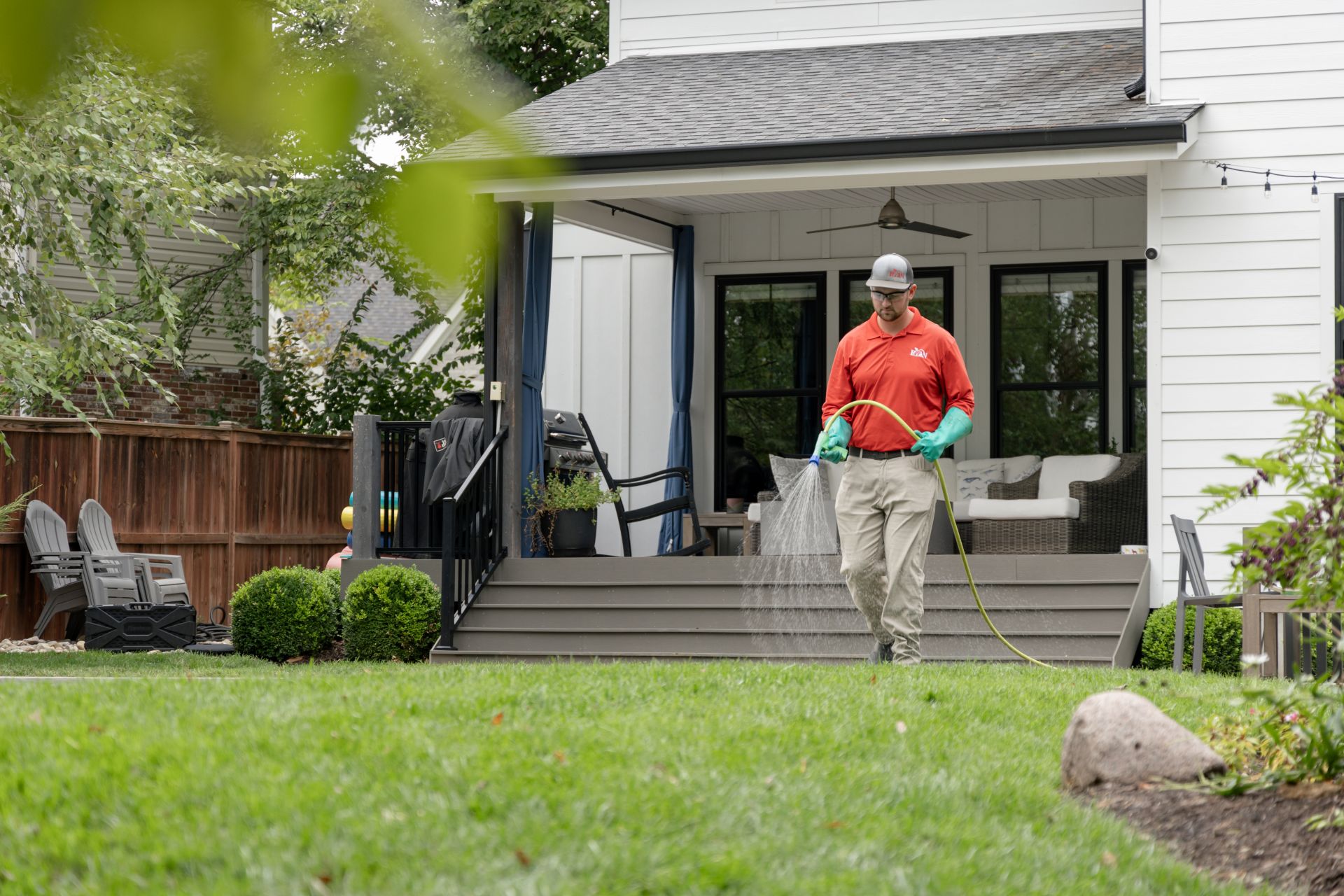
Pest behavior is closely tied to environmental conditions. Temperature, moisture, and seasonal transitions all influence how pests move, reproduce, and seek shelter. This is why pest activity does not simply appear and disappear with the seasons. It shifts in response to changing conditions.
Seasonal pest control focuses on understanding these patterns rather than reacting to visible infestations. Ants may begin foraging earlier than expected, mosquitoes depend on standing water, and fleas and ticks thrive in humid environments. Even spiders follow the presence of other insects, making their activity indirectly tied to seasonal changes.
Weather does not just affect pests. It also impacts how treatments perform, how long they remain effective, and where they should be applied. This makes timing and environmental awareness essential for consistent results.
How temperature changes influence pest behavior
Temperature is one of the strongest forces behind pest movement and survival. Many pests respond to subtle environmental shifts long before people notice a seasonal change. A few warmer days, a gradual rise in soil temperature, or a stretch of mild weather can all influence when pests begin searching for food, nesting sites, or shelter.
This matters because pest activity is not always tied to what the forecast says on the surface. Conditions below ground, around foundations, and inside protected areas can remain favorable even when the air still feels cool. As a result, pests may already be active while property owners assume the season has not fully started yet.
- Warm soil conditions. Even when the air feels cool, the ground can retain heat, allowing ants to remain active below the surface.
- Early spring triggers. Slight increases in temperature encourage pests to begin foraging and expanding their colonies.
- Summer acceleration. Warmer conditions speed up reproduction cycles for many pests, including mosquitoes and fleas.
- Cooler weather movement. As temperatures drop, pests often move indoors in search of stable conditions.
These patterns show why seasonal timing is so important in pest management. Pest populations do not wait for a dramatic weather shift. They respond to gradual changes, and those changes can happen earlier than expected. What looks like a sudden infestation often began with hidden activity that had been building for weeks.
The role of moisture and rainfall in pest development
Moisture plays a major role in where pests live and how quickly they multiply. Rainfall, humidity, and irrigation practices all contribute to pest-friendly environments.
- Standing water sources. Mosquito populations increase rapidly in areas where water collects and remains undisturbed.
- Damp soil conditions. Moist environments support ants and other insects that rely on stable nesting conditions.
- Humidity levels. Fleas and ticks thrive in humid spaces, particularly in shaded outdoor areas and indoor carpets.
- Drainage issues. Poor water flow can create hidden breeding zones near foundations and landscaping features.
Moisture does not just attract pests. It also affects how treatments behave. Excess water can dilute or shift applications, reducing their effectiveness if not properly managed. This is why understanding environmental conditions is critical when planning pest control strategies.
Seasonal lawn conditions are also part of this equation. Changes in soil health and moisture levels, as discussed in our seasonal lawn guide, can influence how pests interact with outdoor spaces.
Why treatment timing matters more than expected
Applying treatments without considering seasonal conditions can limit their effectiveness. Pest control is not just about what is used, but when and how it is applied.
- Early intervention. Addressing pests before peak activity reduces the need for more intensive treatments later.
- Lifecycle targeting. Treatments are more effective when aligned with key stages of pest development.
- Weather compatibility. Certain conditions can enhance or reduce how treatments perform once applied.
- Consistent scheduling. Regular service ensures that protection remains in place as conditions change.
Timing is especially important for pests that reproduce quickly. Missing the early stages of activity can lead to rapid population growth, making control more complex. Seasonal pest control strategies are designed to stay ahead of these cycles rather than react to them.
How ongoing care improves pest control effectiveness
Long-term pest management is not a one-time effort. It involves maintaining conditions that discourage pest activity while supporting consistent treatment performance.
- Environmental adjustments. Managing vegetation, moisture, and debris reduces habitats that attract pests.
- Routine monitoring. Regular evaluations help identify changes in pest activity before they escalate.
- Integrated approaches. Combining indoor and outdoor strategies creates a more complete barrier against pests.
- Preventive focus. Addressing conditions early reduces the need for reactive solutions later.
Healthy outdoor spaces play a key role in this process. As explained in our lawn treatment tips, proper lawn care can limit the conditions that allow pests to thrive, supporting more effective control over time.
By maintaining a consistent approach, pest control becomes more predictable and manageable, even as weather conditions change throughout the year.
Stay Ahead Of Seasonal Pest Shifts
Weather will always influence pest activity, but a well-timed and informed approach can keep it under control. For reliable, seasonally adjusted solutions, contact Ryan Lawn & Tree to maintain effective protection throughout the year.